2100: A World on Bitcoin
Botanix's mainnet launch as a game: a Bitcoin city with quests, NFT-gated games and BTC cashouts. 2,000+ users on day one.
Overview
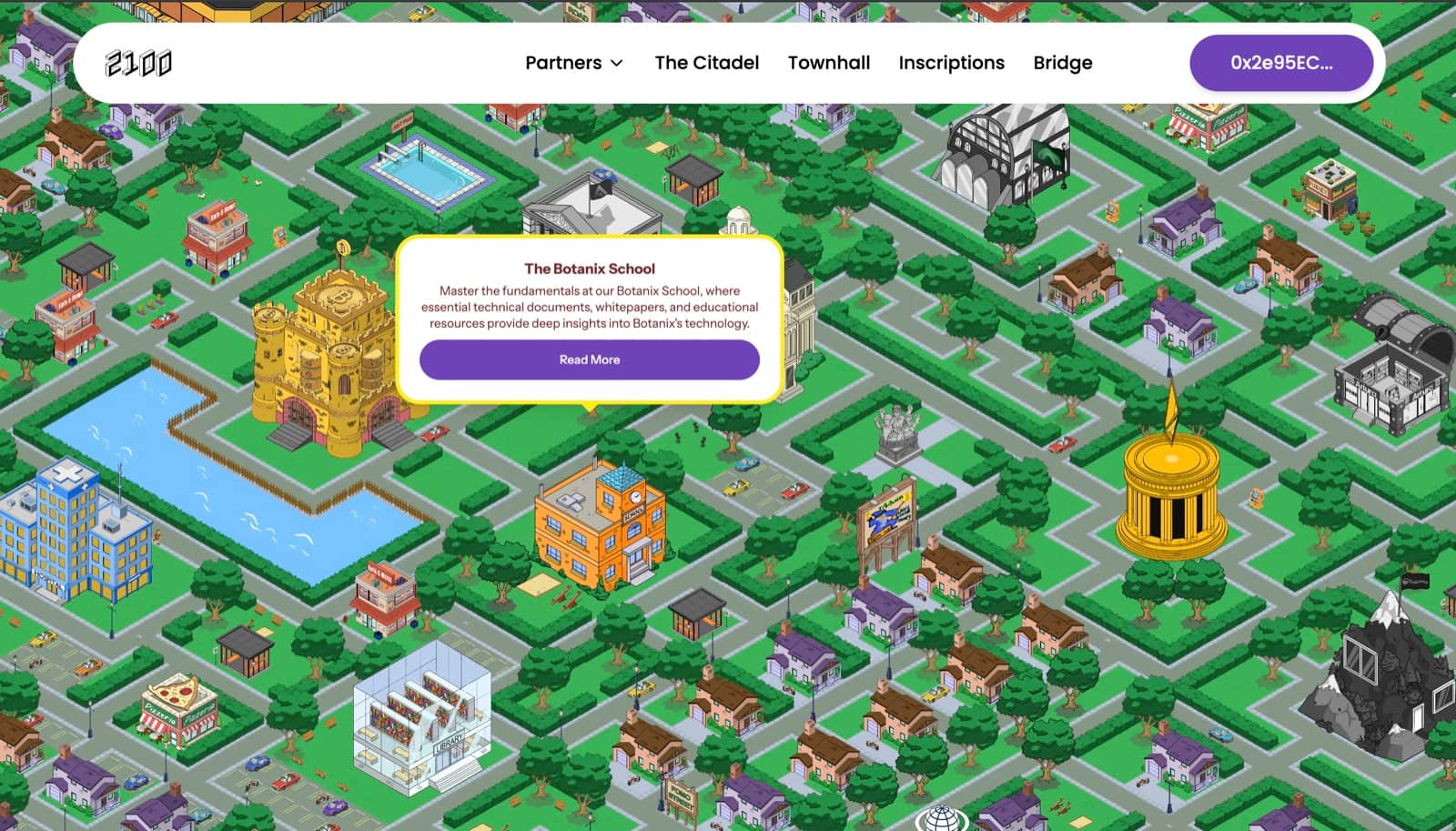
2100: A World on Bitcoin was Botanix’s mainnet launch campaign, built as a game. It’s a Bitcoin city you explore, doing quests and playing mini-games along the way. Each building is a partner dApp, quests open up as you move around the city, and you earn rewards by playing.
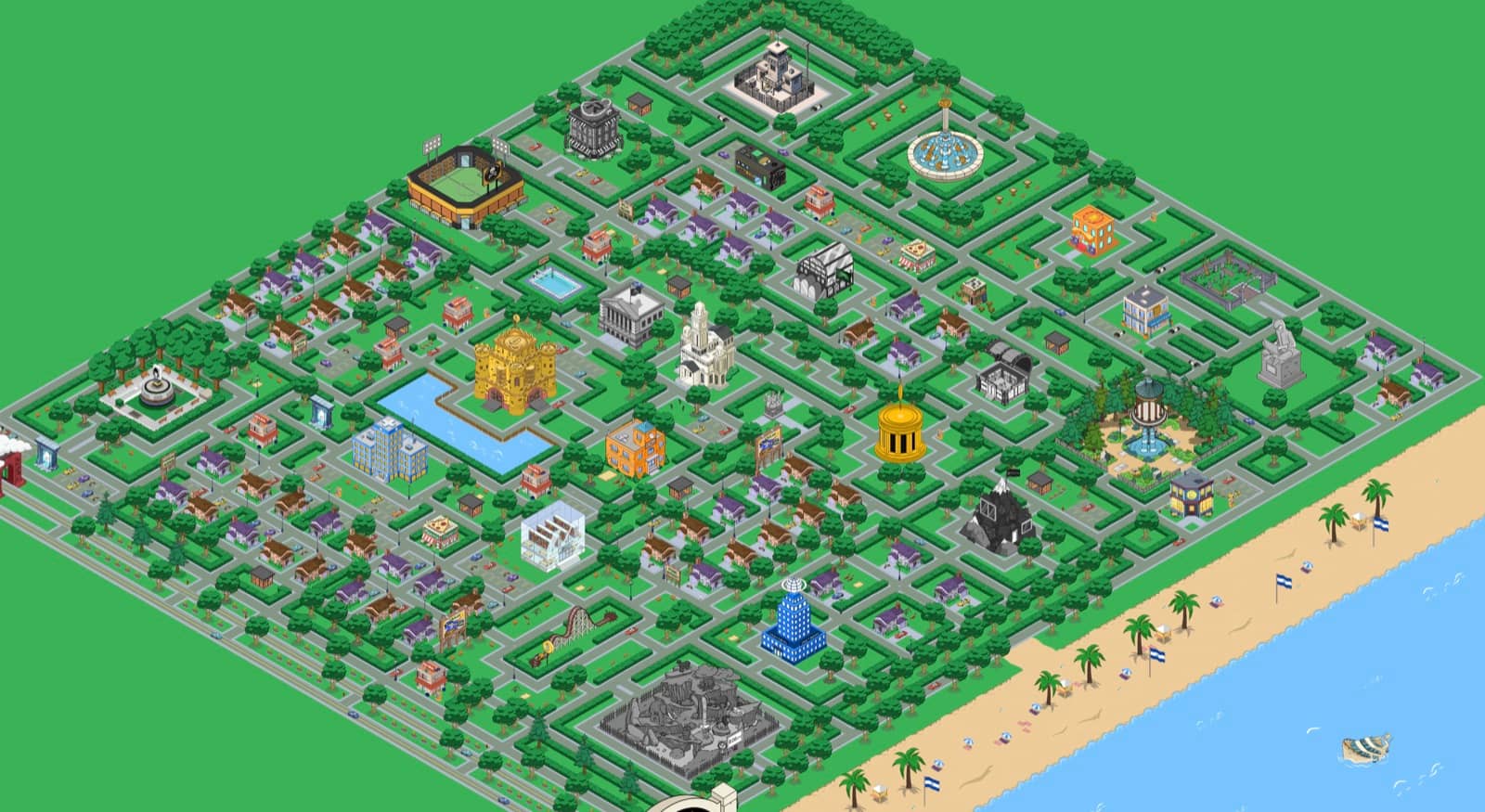
The city has Bitcoin landmarks like Genesis Café and Mt. Gox Garden, and hidden easter eggs about Hal Finney, BearWhale and others. A VIP section, open only to NFT holders, has its own games, sats rewards and leaderboards. It launched with 2,000+ registered users on day one.
My Contributions
I was the lead frontend developer. I built the interactive city, connected it to the APIs and worked on performance, using Next.js for the frontend, FabricJS for the map engine, RainbowKit for wallets and React Query for server state and API calls.
We built the city map in FabricJS, with smooth panning, clickable hotspots and tooltips for quests and easter eggs. Buildings, cars and landmarks are animated GIF sprites, so the city is always moving. To keep it fast, scenes load dynamically and only the parts of the city a user has explored get rendered.
The Citadel (VIP Area)
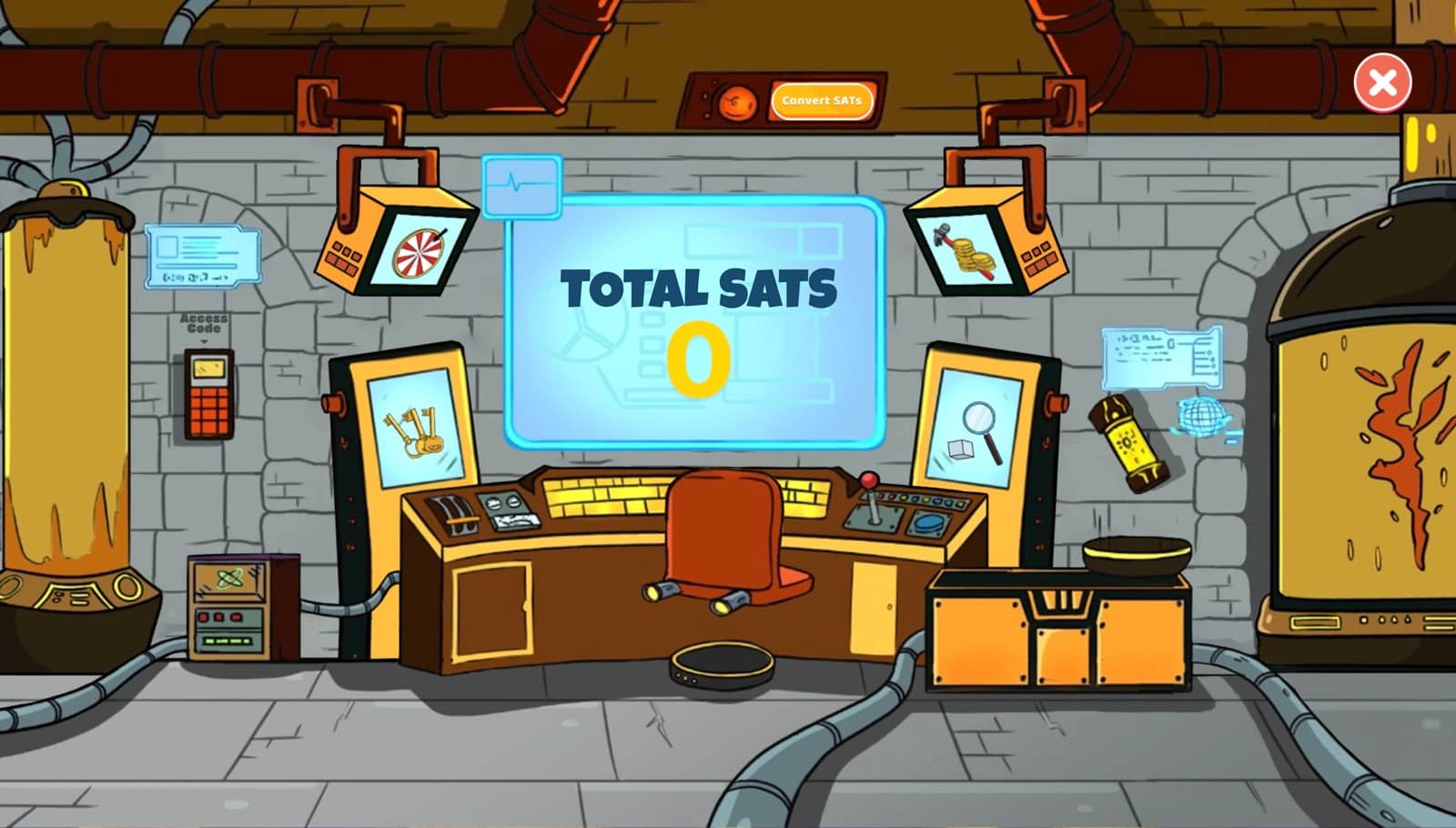
The Citadel is the VIP part of the city, unlocked by minting a special NFT. Inside are four mini-games with leaderboards and live updates, a referral system, and a way to cash out sats as BTC. I built the frontend for all of it and wired it to the backend APIs.
NFT Gating and Minting
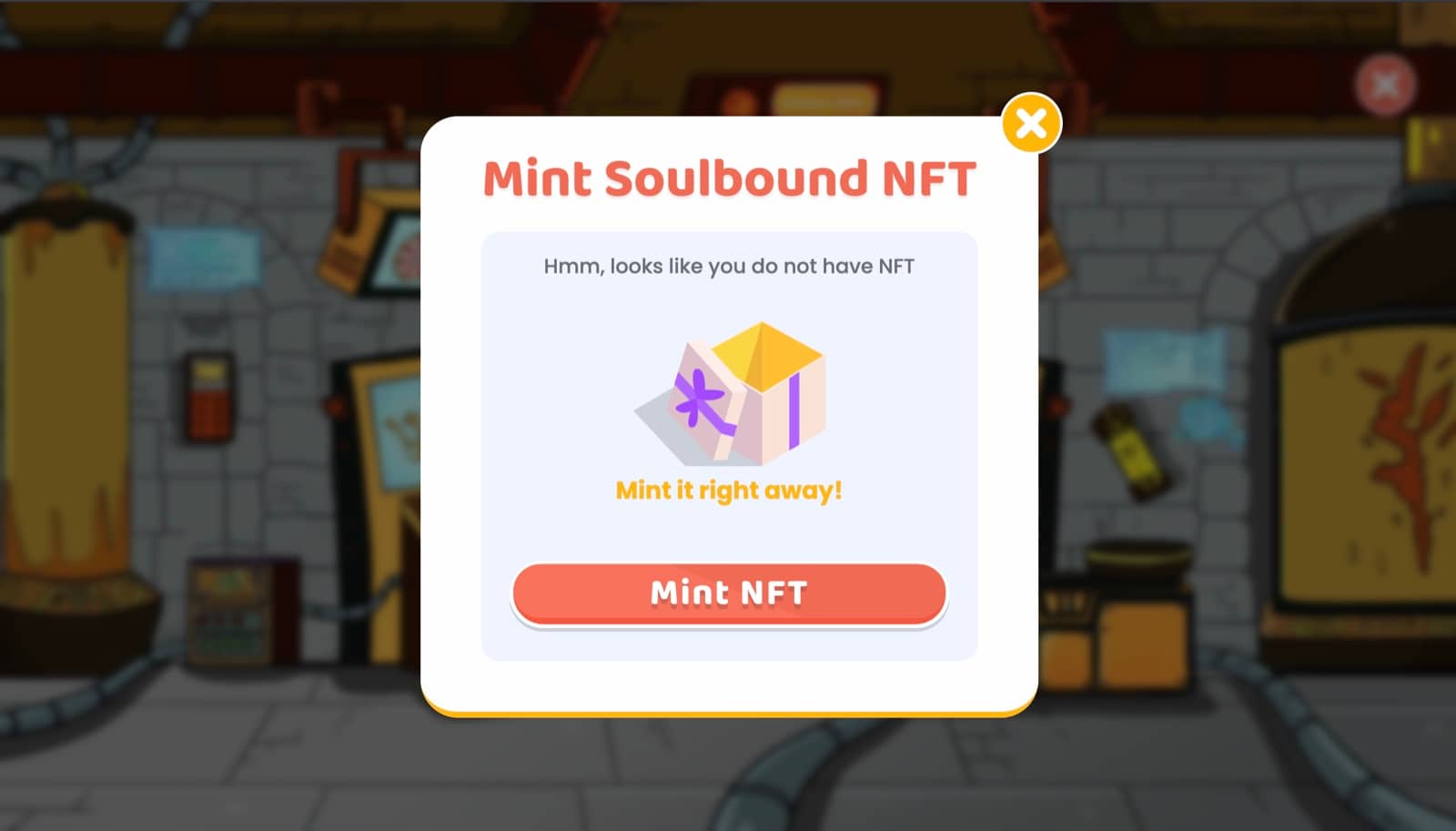
Once a wallet is connected, the app checks NFT ownership through the backend. Users who don’t own the NFT yet can mint it right there. I built that flow: wallet connection, a captcha, referral code input, the API calls, transaction feedback, retries and the states after minting.
Referral Codes
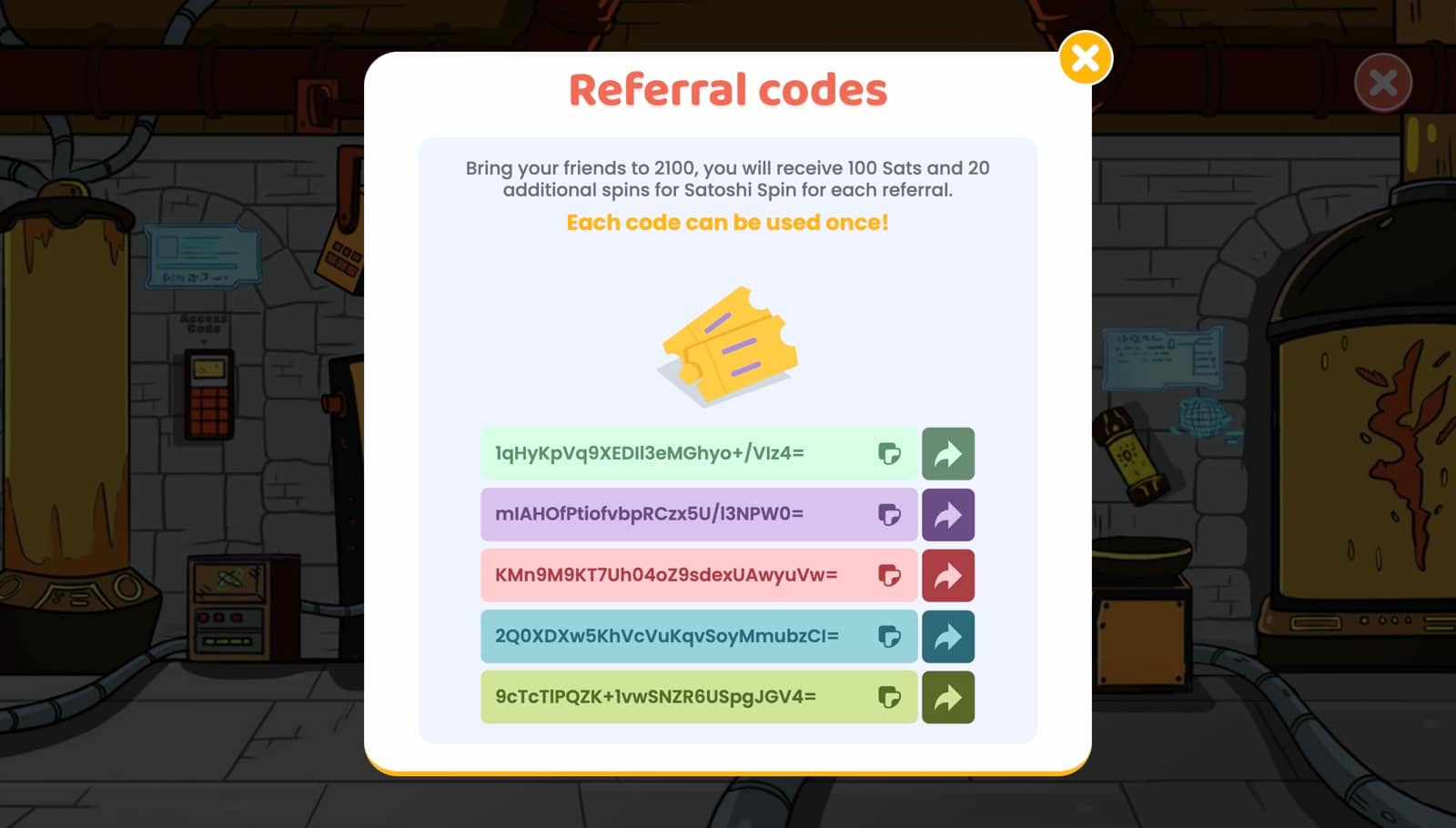
Every successful mint gives the user five referral codes to share. I built the UI for showing, copying, sharing and validating them, with used and unused status and some basic bot checks. The codes can be found again any time in the VIP area.
VIP Mini-Games
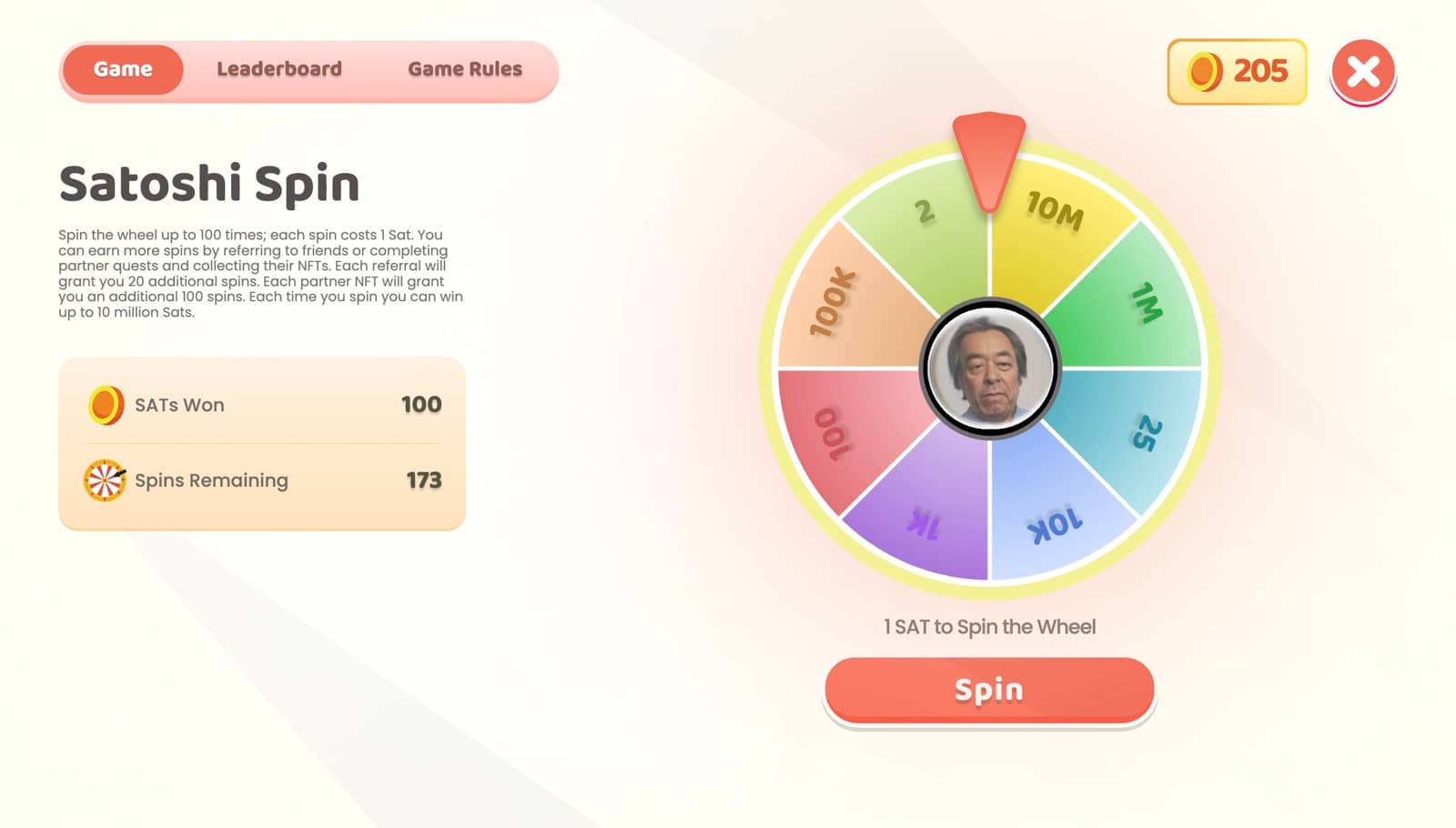
There are four games. Mining Sats is a daily check-in with streak multipliers and a leaderboard. Satoshi Spin is an animated wheel at 1 sat per spin, with highlights and its own leaderboard. Find Satoshi’s Keys is a weekly treasure hunt with a new clue each day and countdowns. In Predict the Block, players guess the last 6 characters of the next block hash, with timers, confirmations and a jackpot.
I built the game UIs, their state handling and the leaderboard views, all updating in real time from the APIs.
Cash-Out
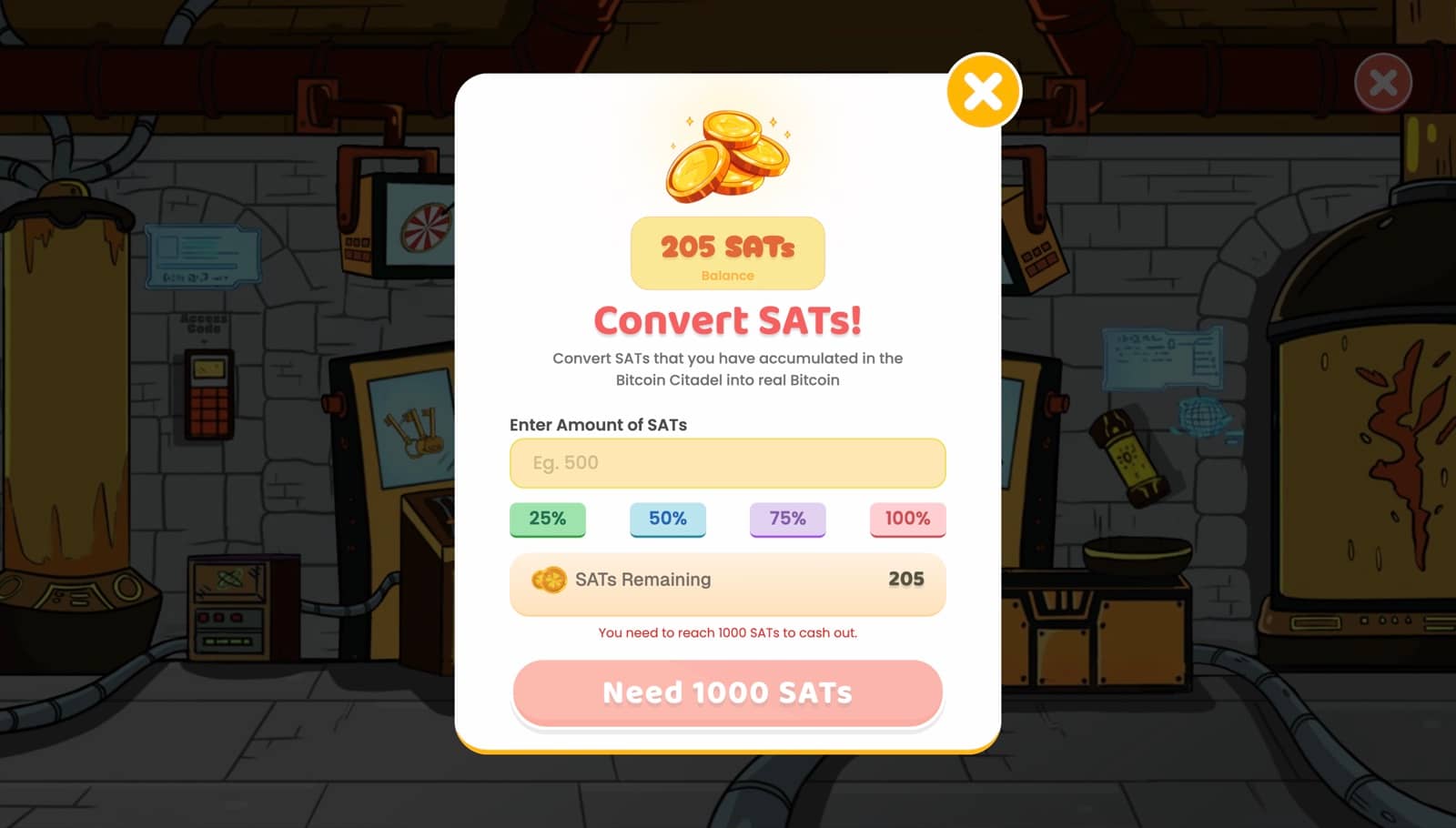
Users can cash out the sats they win in the VIP games as Bitcoin. I built the frontend for it: wallet verification, the balance overview and the conversion settings. You see your sats balance, the minimum needed to cash out and a live fee estimate, and the withdrawal request goes to the backend. Once it’s confirmed, the balance updates and a success screen appears.
Partner Quests (Intract)
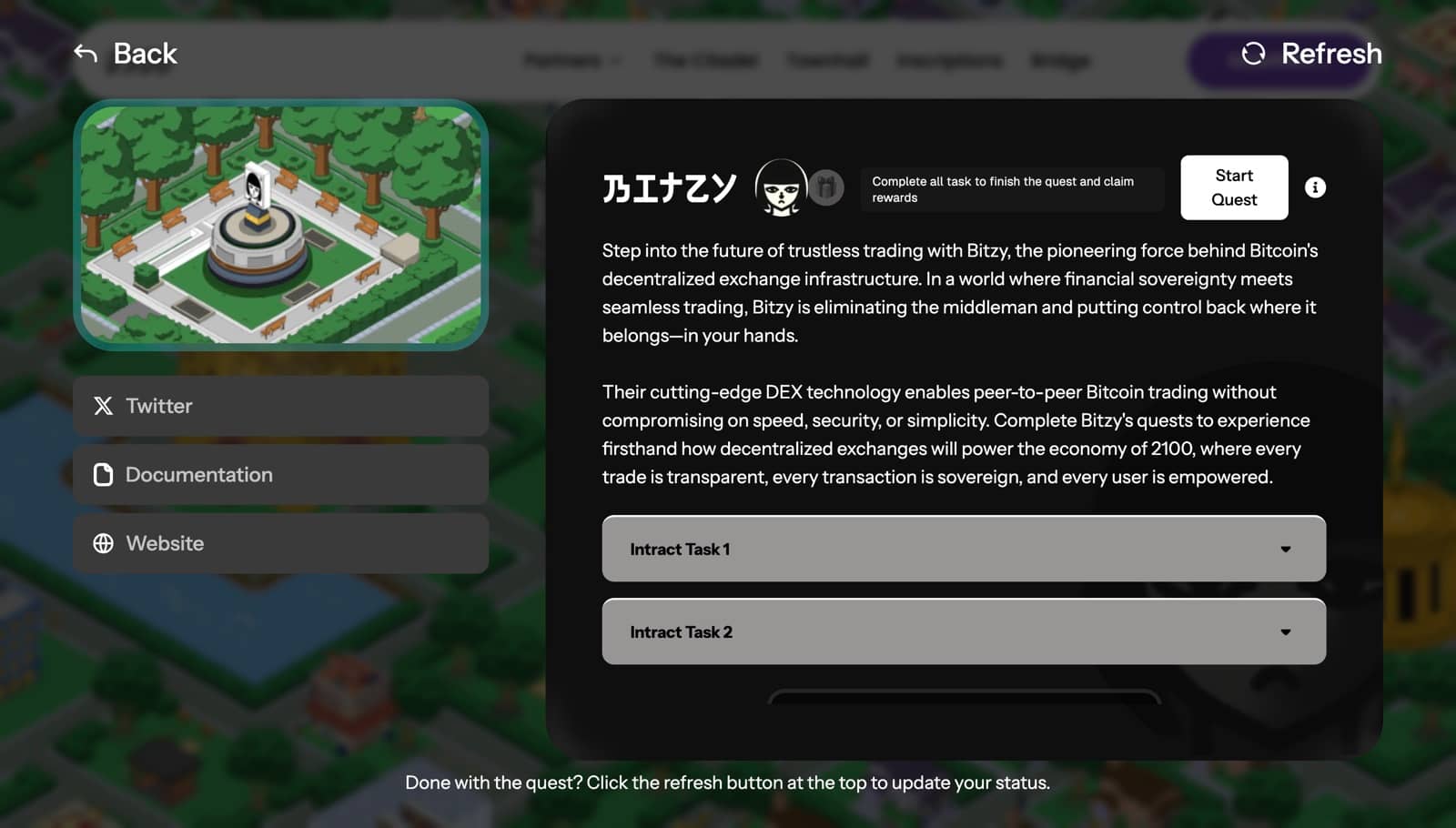
Each partner dApp has its own building, with quests powered by Intract. I integrated the partner quest APIs and built the task lists and deep links into each partner’s app. When a user finishes a partner’s quests, the UI shows they’re eligible for that partner’s NFT and updates their sats balance and spins.
Inscriptions
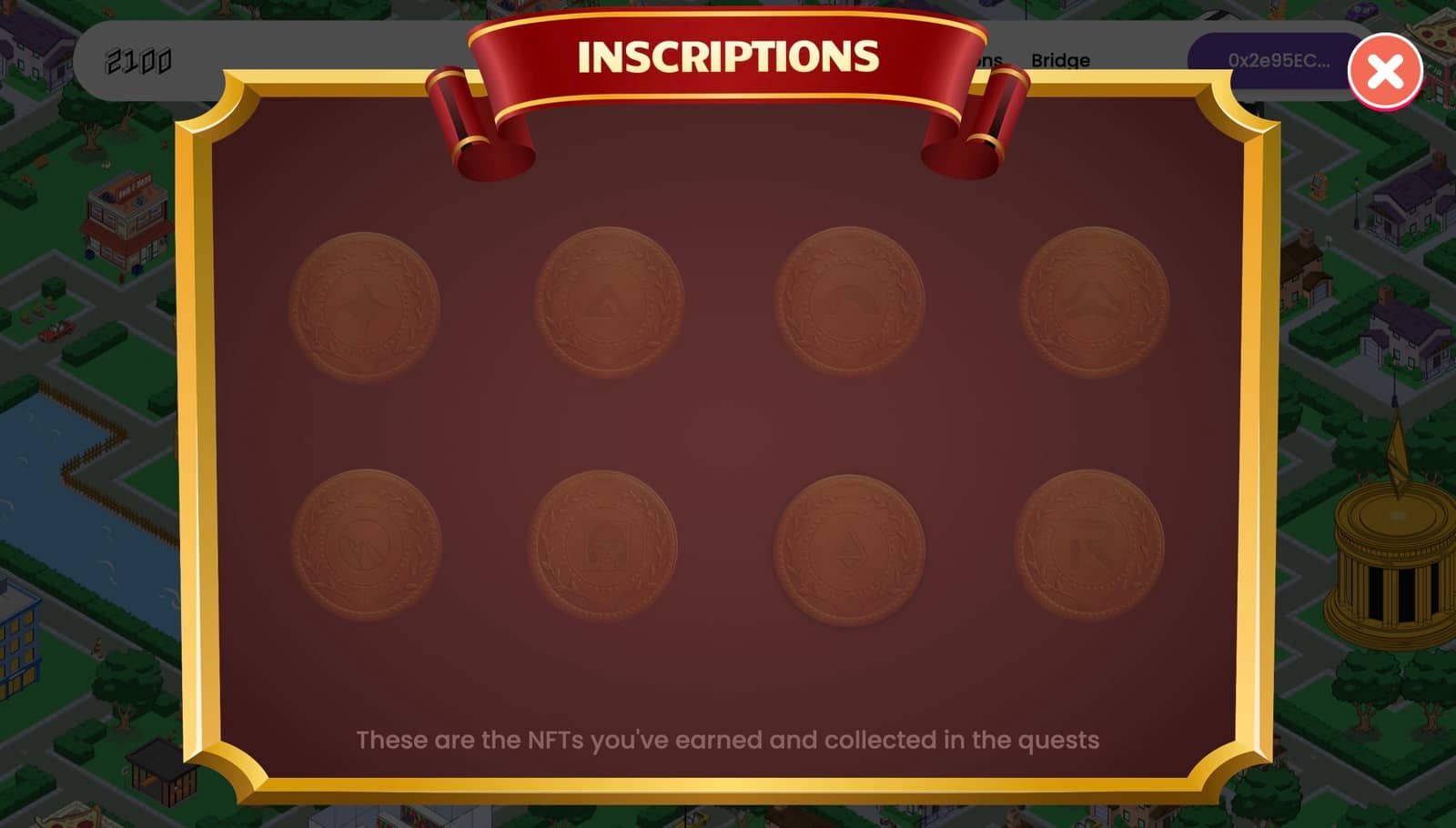
I built the Inscriptions page, which shows every partner NFT a user has earned, grouped by dApp. Earned NFTs are shown in full colour, and the ones still to earn are faded out as placeholders.